Why does the Bible forbid 'witchcraft'?
Or: Why Ghosts Haunted the God of Israel
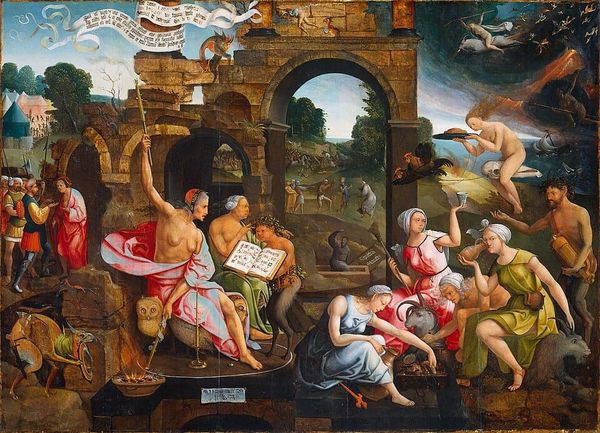
At several points in the biblical narrative, "witchcraft" as well as "ghost-invoking" is banned. This practice likely was forbidden because it was seen as an alternative religious practice that violated the biblical writers' preferred brand of strict monotheism. But rules are typically made because they're already being broken: in this post from The Haunted Bible on a series about the Witch of Endor (see the earlier posts here and here), I propose that the fact that the Bible has to ban ghost-related activities likely indicates that these practices were present among the people for whom the bible was written.
It's November, which means that just last month my neighborhood's streets were teeming with all manner of ghosts, ghouls, and goblins, demanding their favorite candy. For most Americans, this is all in good fun: Halloween has become a kind of secular civic tradition where dressing up like witches or the most recent social media craze is an expected part of our community's life. My neighborhood even had a Halloween 'block party' with costume contests and prizes.
But according to the Bible, witchcraft and ghosts should have no place in the life of a community.
An early law code in Exodus declares that Israelites "shall not permit a female sorcerer to live" (22:18), while Leviticus similarly states that "a man or a woman who is a medium or a spiritualist shall be put to death; they shall be stoned to death" (20:27). As noted in an earlier post, the terms here regarding "medium" or "spiritualist" likely refer specifically to the invoking or consultation of ghosts.
We find similar condemnations elsewhere in the Bible. Those who "consults ghosts or spirits" are condemned in Deuteronomy (18:10-11). 2 Kings declares that the Israelite king Manasseh "did much evil in the sight of the Lord," including consorting "with mediums and with wizards" (21:6). Later in the same book, King Josiah is praised because he expelled "wizards" and "mediums" from his kingdom (23:24).
What's going on here? What's so wrong with "witches" and "mediums"?
The simple answer: they represented an alternative brand of religious authority, with access to a potential source of divine power that rivaled that of Yahweh, the Israelite God. And, much to the chagrin of the biblical writers, some Israelites likely found this alternative appealing.
We get a clue to the potential danger of witches and mediums by the things with which they're associated in the Bible. In Leviticus 20, for example, the ban on mediums and spiritualists comes directly after a discussion of (forbidden) foreign religious practices:
"You shall keep all of my statues and all my ordinances and observe them, so that the land to which I bring you to settle in may not vomit you out. You shall not follow the practices of the nation that I am driving out before you. Because they did all these things, I abhorred them" (20:22-23).
According to Leviticus, then, consulting a medium or 'witch' constituted taking up a 'foreign' religious practice that was banned by God. The Israelites must not take up such alien practices because God "has separated [Israel] from the other peoples to be [His]" (20:26).
But was consulting a witch, or invoking ghosts, really so 'foreign' to the people of Israel?
Here it's important to remember what I like to call "The #1 Rule of Religious Studies": religious rules are only made because people are (already) breaking them.
Think about laws against speeding on the highway: necessary, because people would go too fast. Or against stealing: this is because people steal things. Or jaywalking, or embezzlement, or tax fraud: you get the idea.
As with modern laws, so also with biblical codes: the writers needed to codify these laws because Israelites were consulting mediums and witches and likely believed in (or were at least open to) the existence and power of ghosts. This also explains why this condemnation has to be repeated at several points in the Bible: just like drivers ignoring the speed limit, at least some Israelites were likely disregarding this religious directive.
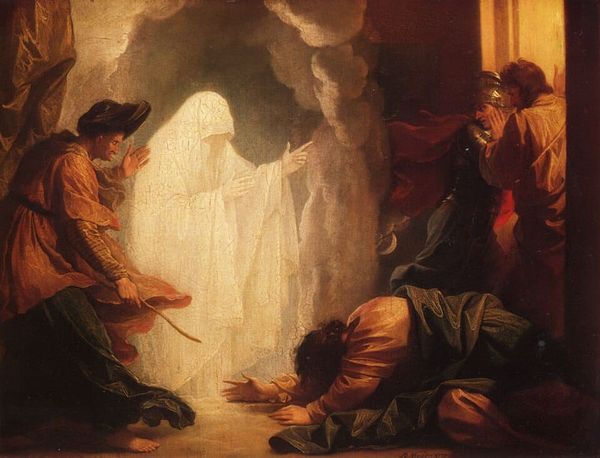
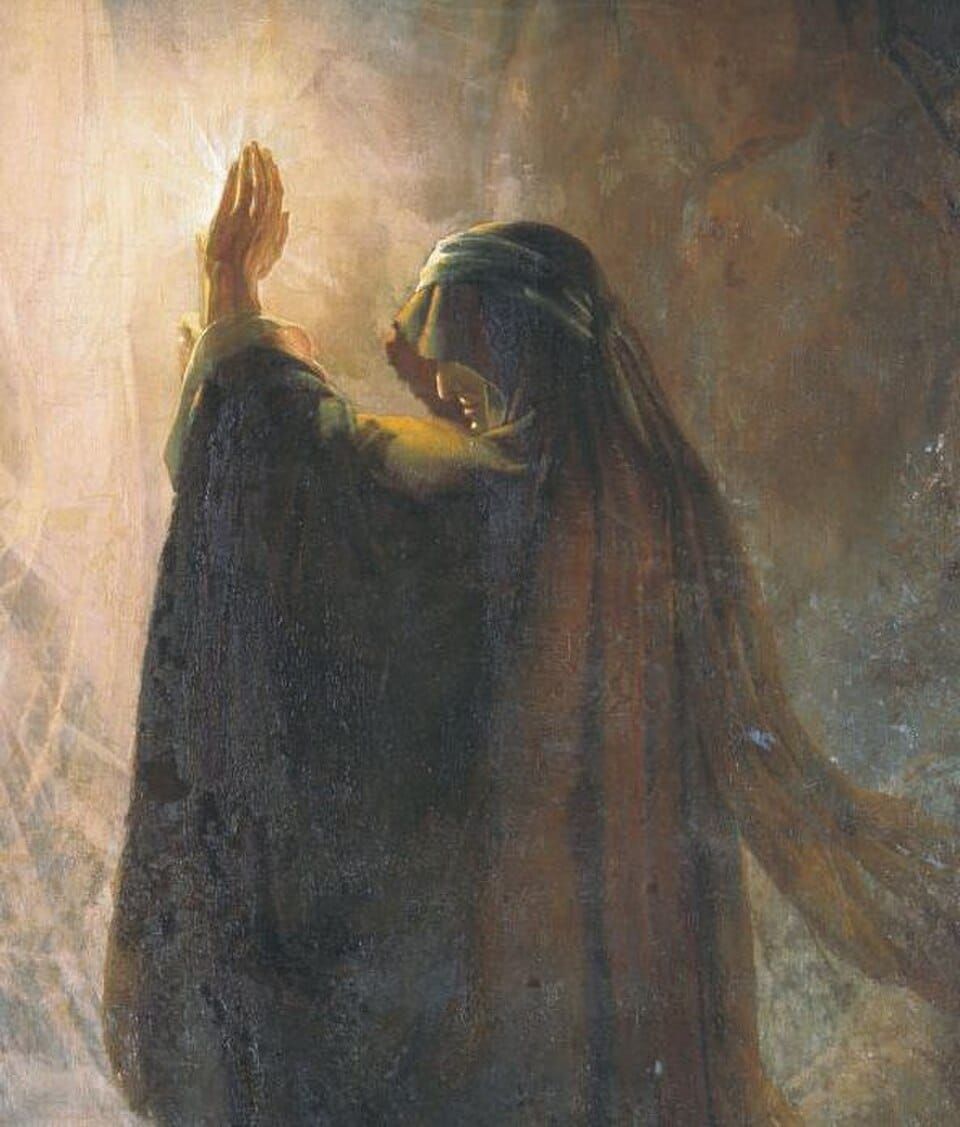
And we have good evidence for this elsewhere in the biblical narrative. We encounter biblical narratives that mention the use of "teraphim," which were likely statues that represented the (divine?) spirits of deceased ancestors (more on that in a later post). We also have the narrative of the 'Witch of Endor,' a story that betrays knowledge of the practices of "mediums" or ghost-invokers in the land in or around Israel (1 Samuel 28).
What's more, many of the religious cultures that neighbored Israel included beliefs in the power of ghosts and ancestral spirits, and we can expect that at least some Israelites would have been influenced by these ideas and practices. This is why the biblical writers branded such practices as 'foreign': they were right to perceive that these practices had roots in neighboring cultures, but the fact that they had to remind their readers of such origins likely indicates that it was occurring among Israelites, as well.
No matter its potential popularity, however, this represented a threat to the power of the Yahweh, the Israelite God. In the formulation of the biblical writers, Yahweh was a monotheistic deity: solely powerful and responsible for imparting divine wisdom to his people. The potential power of ghosts or ancestral spirits and their "mediums," therefore, represented a threat to Yahweh and his priestly and scribal representatives.
So, why does the Bible forbid "witchcraft" or invoking "ghosts"? Probably because there were "witches" or those who specialized in summoning ghosts in the land of Israel.
But that raises a question even more intriguing: if the writers of the Bible were so against ghost-summoning, why did they include a story about ghost invocation in Bible? What's going on with Saul, the "ghostwife" of Endor, and the ghost of Samuel?
More on that in the next few posts, where I'll explore how ghosts haunted the world of the Bible, and what the writers of the Bible decided to do about it.
Thank you for reading The Haunted Bible. Would you like to receive posts as soon they're published? Subscribe here. And check out more of my work at my personal website.
Translation credit: Translations of the Hebrew Bible (Old Testament) are from the New Revised Standard Version, Updated Edition (NRSVUE).